The Origin Story
It Started Behind the Wheel
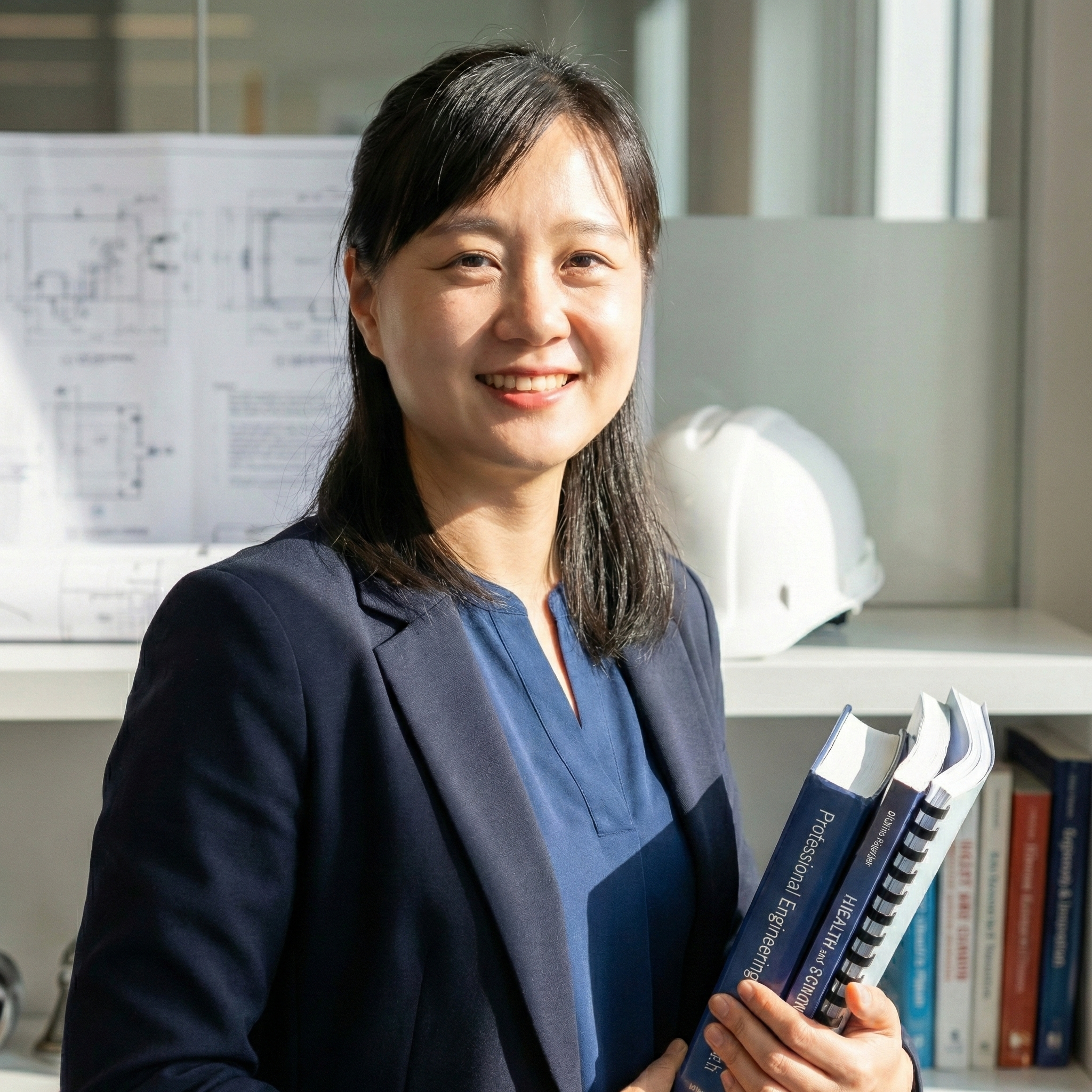
Fan Yang, our founder, spent years studying transportation—specifically, how vehicles and transit systems are designed, and who they're designed for. What she discovered was alarming: the entire transportation experience is built around the average-sized man.
Car seats that don't fit women's bodies properly. Seatbelts that cut across the wrong places. Steering wheels positioned for longer arms. Headrests at the wrong height. Even the crash test dummies used to test vehicle safety were modeled on male bodies until recently—which is why women are 47% more likely to be seriously injured in car crashes.
But it wasn't just cars. It was everywhere. The uncomfortable airplane seat on a 15-hour international flight, designed for a larger frame. The public transit bus with handrails too high to reach. The subway car with nothing to hold onto at a shorter person's height. Every mode of transportation, built for someone else.
"I realized I was exhausted from constantly adapting to a world that wasn't built for me. So I decided to build something new."
Transportation became a lens through which Fan saw everything differently. If something as fundamental as getting from point A to point B wasn't designed with women in mind, what else was being overlooked?
The Pattern Behind the Problem
Fan's research focused on efficiency and environmental impacts in the building and transportation sectors. But the deeper she dug into design processes and industry standards, the more disturbing pattern emerged: women were consistently treated as an add-on, never the focus.
The standards, the defaults, the "normal" specifications—all designed around men. Women were expected to adapt, to make do, to work in uncomfortable environments. Their comfort, their safety, their needs? Secondary considerations at best. Less important than cost efficiency, less important than standardization, less important than the way things had always been done.
It was heartbreaking. And it was everywhere—not just in vehicles and buildings, but in public spaces, in businesses, in the entire built environment. 84% of women feel unsafe in public spaces alone. 83% actively seek women-friendly businesses—but have no reliable way to find them.
Existing solutions fell short. Review platforms relied on self-reported data. Directories listed businesses without verification. Nobody was actually checking whether a parking lot was well-lit or a nursing room existed.
The insight was simple: if no one else was going to prioritize women, we would have to do it ourselves. Real trust requires real verification—by local people who actually visit, measure, and confirm.
Building FIRS & HerMap
Global Women Equity Solutions was born with a clear mission: create the infrastructure for women's safety and success—starting with the places women go every day.
The Female Inclusive Rating System (FIRS) became our foundation—a community-verified certification that evaluates businesses across what matters most to women: safety, health, accessibility, leadership, and economic empowerment.
HerMap became our platform—the real-life navigation guide that helps women find verified businesses wherever they go. Because if we can't redesign every car seat and airplane, we can at least help women find the places that actually consider their needs.
We're not building an app. We're building a movement.